Split air conditioner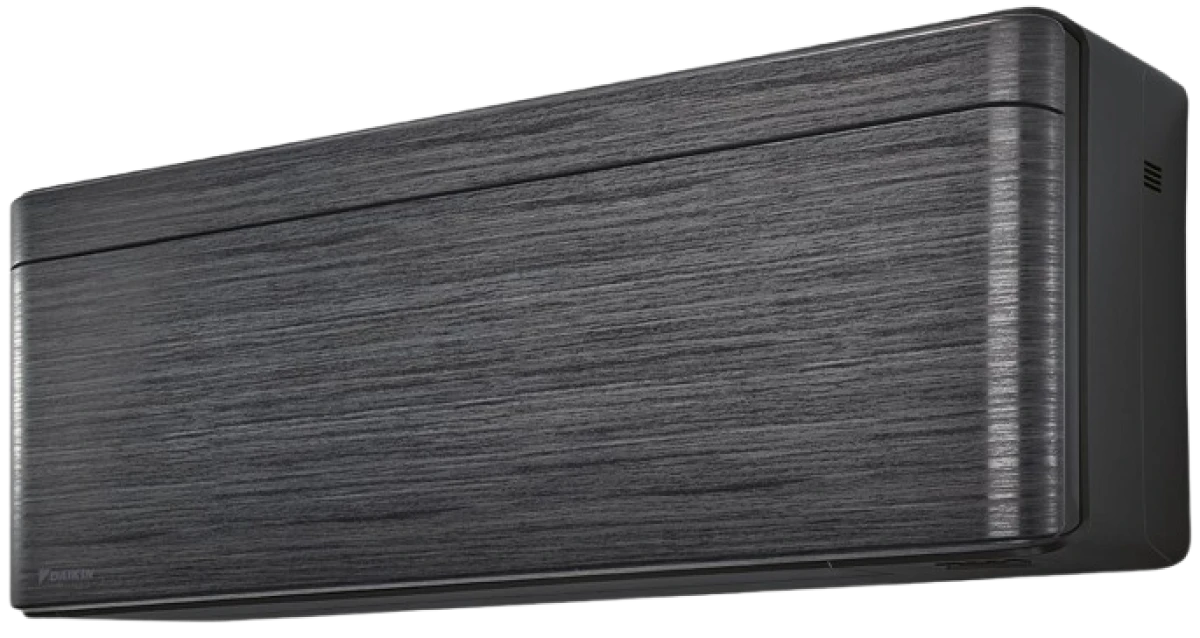


Heating is one of the key engineering systems in any building, directly affecting comfort, energy consumption and the quality of the living or working environment. A properly designed heating system distributes heat evenly throughout the space, operates efficiently and provides reliable performance for years.
GreenClimat offers a complete heating service, covering the entire engineering process - from design and installation to ongoing technical maintenance. We work with residential, commercial and industrial properties, including apartments, private houses, offices, restaurants, hotels, manufacturing facilities and medical institutions.
Heating is an integrated engineering system that generates, transfers and distributes heat throughout a building. It consists of a heat source (boiler, heat pump or air conditioner), a network of pipes, radiators or heat-emitting elements, a circulation pump and automatic control systems.
Modern heating is no longer just a matter of radiators filled with hot water. It is an intelligent system that:
The choice of heating system depends on the building's size, insulation, availability of energy resources and budget. We install several types of heating systems:
A traditional and widely used option. A central boiler heats the water, which is then delivered to the radiators through a network of pipes. This system is ideal for apartments, private houses and small commercial properties.
A network of heat-distribution pipes is installed beneath the floor. Heat spreads evenly throughout the space, eliminating hot spots. The system is hidden from view, with no radiators taking up wall space, providing a high level of comfort. It is often combined with water-based radiator heating, particularly in bathrooms and other wet areas.
An energy-efficient heating solution that draws heat from the surrounding environment - air, water or the ground. For every unit of electricity consumed, it can produce 3–5 units of thermal energy. It is one of the most cost-effective options in the long term.
A heating system that uses natural gas as its heat source. It is one of the most common choices in Georgia. Condensing boilers can achieve efficiency ratings of 95–108%.
Convectors, infrared panels and electric boilers are heating options used where access to a gas supply is unavailable or as supplementary heating systems.
When installing a heating system in an apartment or private house, it is important to strike the right balance between comfort, energy efficiency and operating costs. We select equipment designed for long-term, reliable operation and suited to the interior of the space.
Offices, restaurants, cafés, shopping centres and fitness centres each have specific requirements for temperature control and air exchange rates. We install centralized heating systems with zone-based control.
In manufacturing facilities, heating is often integrated with ventilation as part of a comprehensive HVAC concept. We install high-capacity boilers, air heaters and radiant heating systems for hangar-type facilities.
A properly functioning heating system starts with quality design. Our engineers calculate:
All design work is carried out in accordance with applicable construction regulations and standards. We provide clients with a complete set of design documentation, including the general layout, axonometric diagrams, detailed technical drawings of system components and material specifications.
A heating system rarely operates independently. In real-world projects, it is important to coordinate it with the building's other engineering systems:
Coordinated planning of engineering systems is essential to ensure that heating, cooling and ventilation operate in line with the property's requirements.
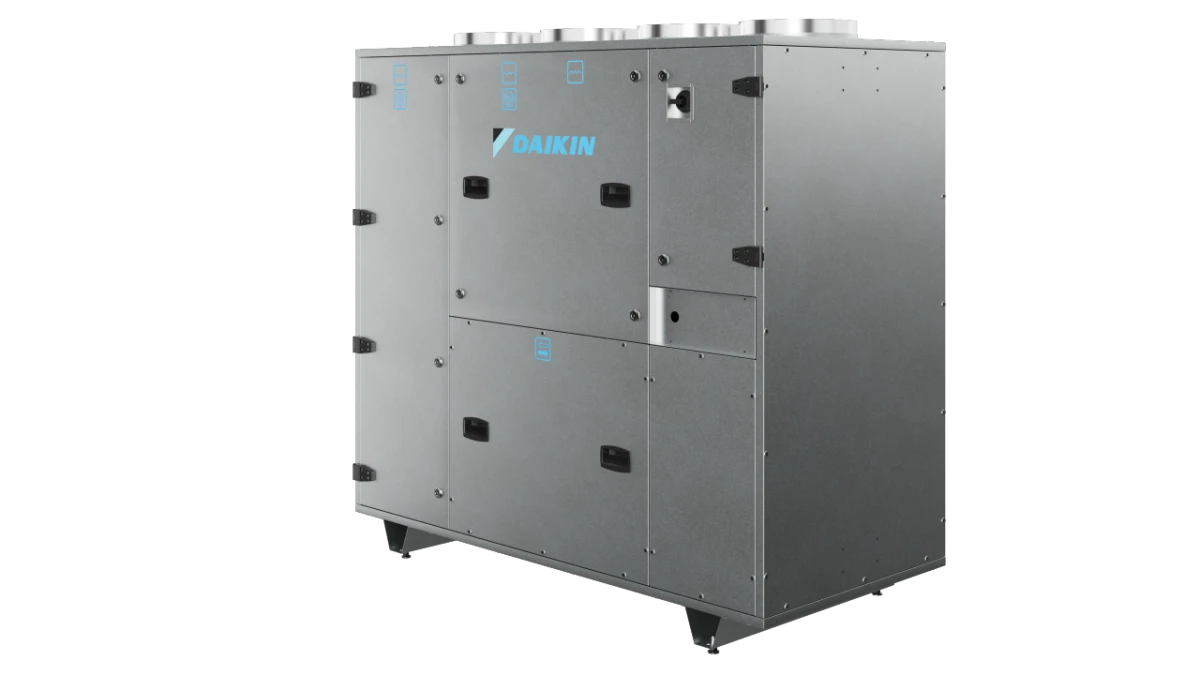
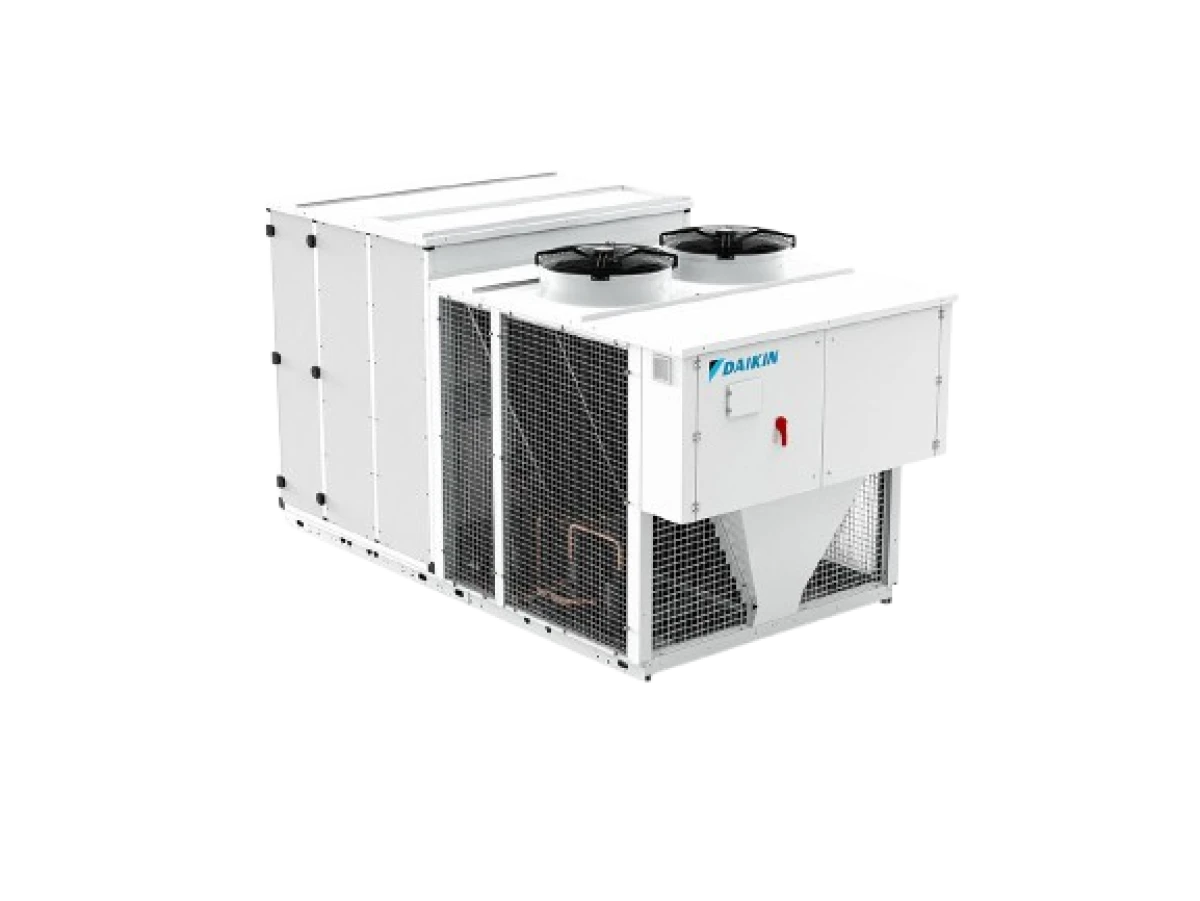
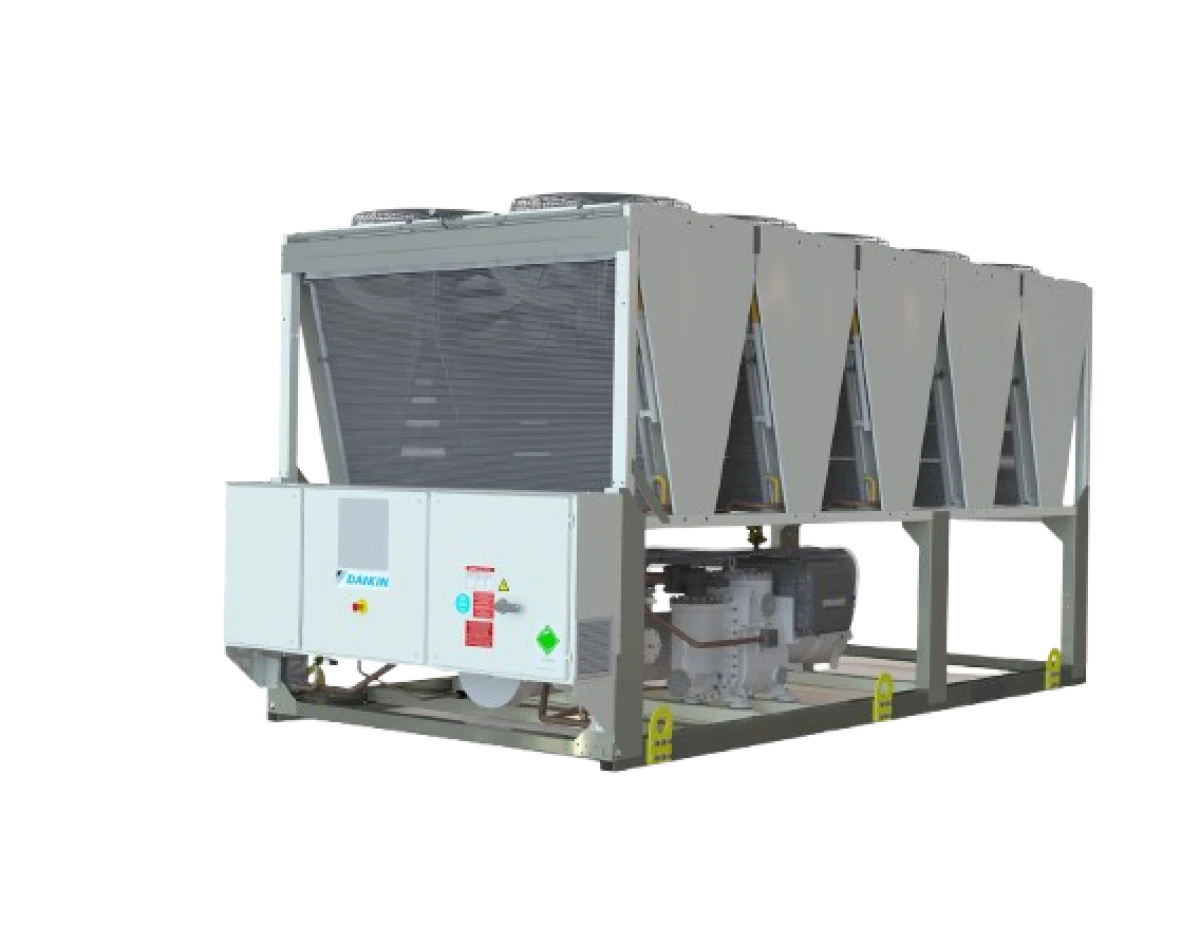
With over 15 years of experience in the Georgian market, we understand its specific requirements, including local climate conditions, building types, available equipment and energy tariffs. We work with proven Daikin equipment, provide installation warranties and offer ongoing technical maintenance.
The cost of a complete heating system depends on the building's size, the selected heat source (gas boiler, heat pump or electric heating) and the type of system. Installing a standard heating system in an apartment generally requires a smaller investment, while installing a heat pump system in a private house involves higher upfront costs. However, thanks to its energy efficiency, it can help reduce operating costs in the long term. The exact price is determined after a site inspection and the necessary technical calculations.
In terms of operating costs, a heat pump-based heating system is one of the most economical options. Compared with a gas boiler, it may reduce energy costs by 50–60%. However, the initial investment in a heat pump system is higher. A condensing gas boiler, on the other hand, offers a good balance between upfront cost and efficiency.
Underfloor heating provides a high level of comfort and remains hidden beneath the floor, but it can generally only be installed during the renovation or construction stage. Water-based radiator heating is more flexible and responds more quickly to temperature changes. We often combine both systems - underfloor heating in the main rooms and radiators as supplementary heating.
A heating system should undergo a full preventive maintenance check once a year, before the start of the heating season. Boiler filters should be inspected every 3–6 months.
Looking for a heating system for your property? Contact us for a free consultation.