Split air conditioner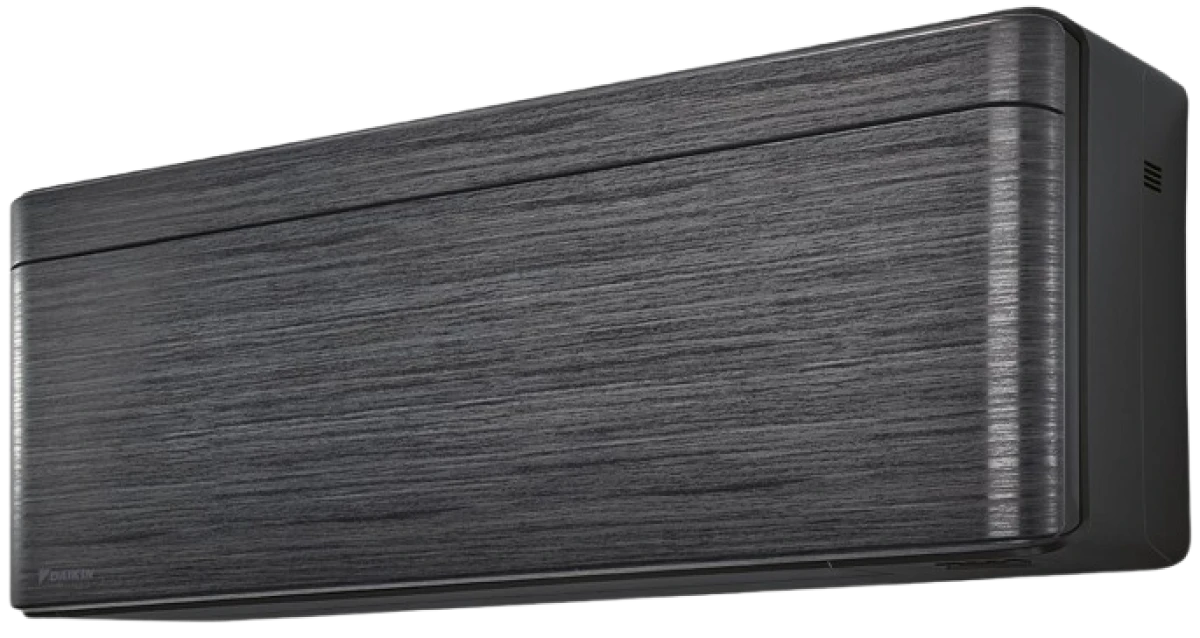

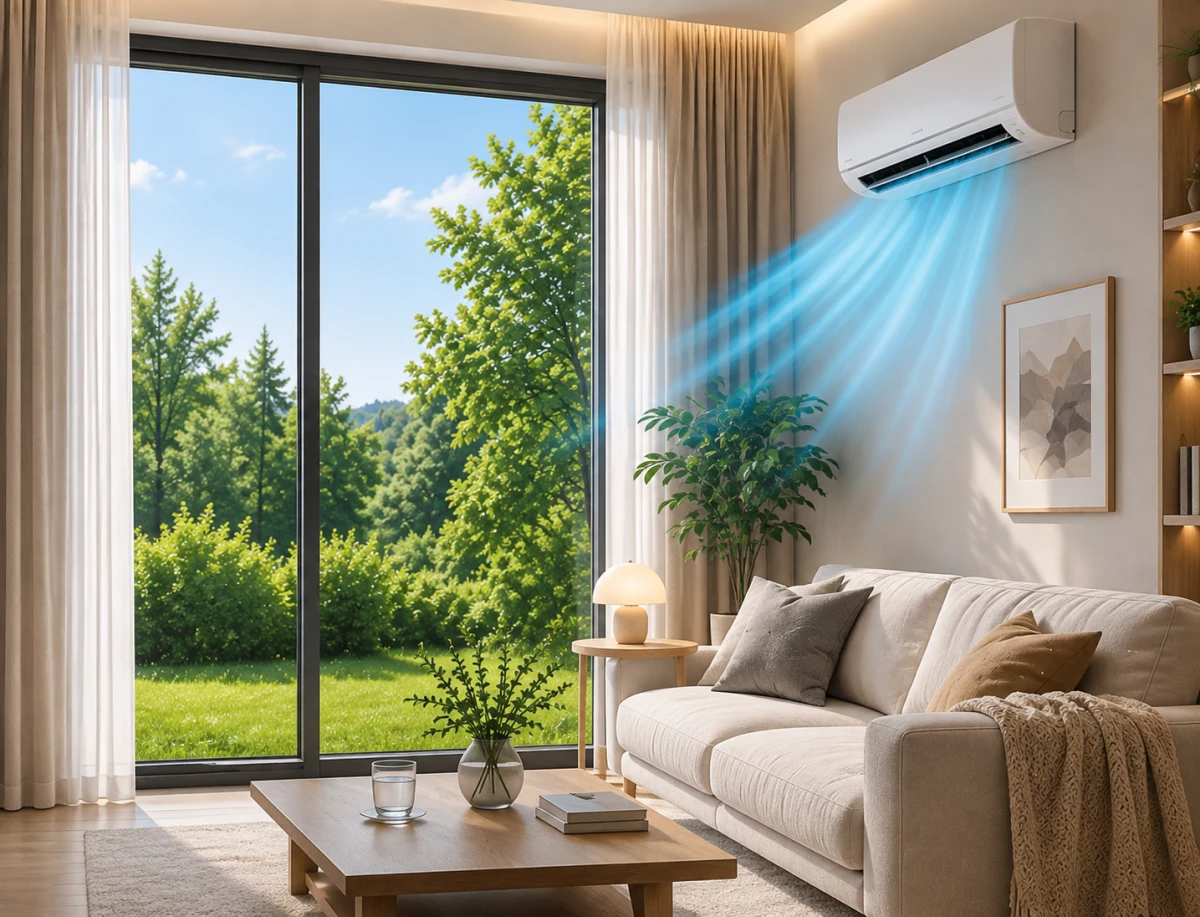
Cooling is one of the essential engineering systems in a modern building. During the warmer months, it plays an important role in creating a comfortable indoor environment, maintaining air quality and supporting workplace productivity. A properly designed cooling system helps distribute cool air evenly throughout a space, operates efficiently and reduces long-term costs by lowering energy consumption.
GreenClimat provides a complete cooling service, covering the entire engineering process - from system design and installation to ongoing technical maintenance. We work with residential, commercial and industrial properties, including apartments, private houses, offices, restaurants, hotels, shopping centres, industrial facilities and medical institutions.
A cooling system is an integrated engineering system that removes heat from indoor spaces and transfers it outside through the circulation of refrigerant or chilled water. It may include outdoor and indoor units, a piping network, a condensate drainage system and control automation. More complex projects may also involve chillers and fan coil units.
Modern cooling is no longer simply an air conditioner installed in a window. It is an intelligent system that:
The choice of cooling system depends on the building's area, the number of rooms, architectural features and budget. We install several types of systems:
A traditional and widely used cooling solution for apartments and small offices. The system consists of one outdoor unit and one indoor unit. It is ideal for spaces with one or two rooms where independent temperature control is required.
One outdoor unit serves 2–5 indoor units. This is an ideal solution for apartments and private houses where installing multiple outdoor units on the building façade is undesirable. Each room can be controlled independently.
Professional cooling solutions for large spaces, including offices, hotels and business centres. A powerful outdoor unit serves 10–50 indoor units using variable refrigerant flow technology. When properly selected, the system helps improve energy efficiency and enables centralised temperature control.
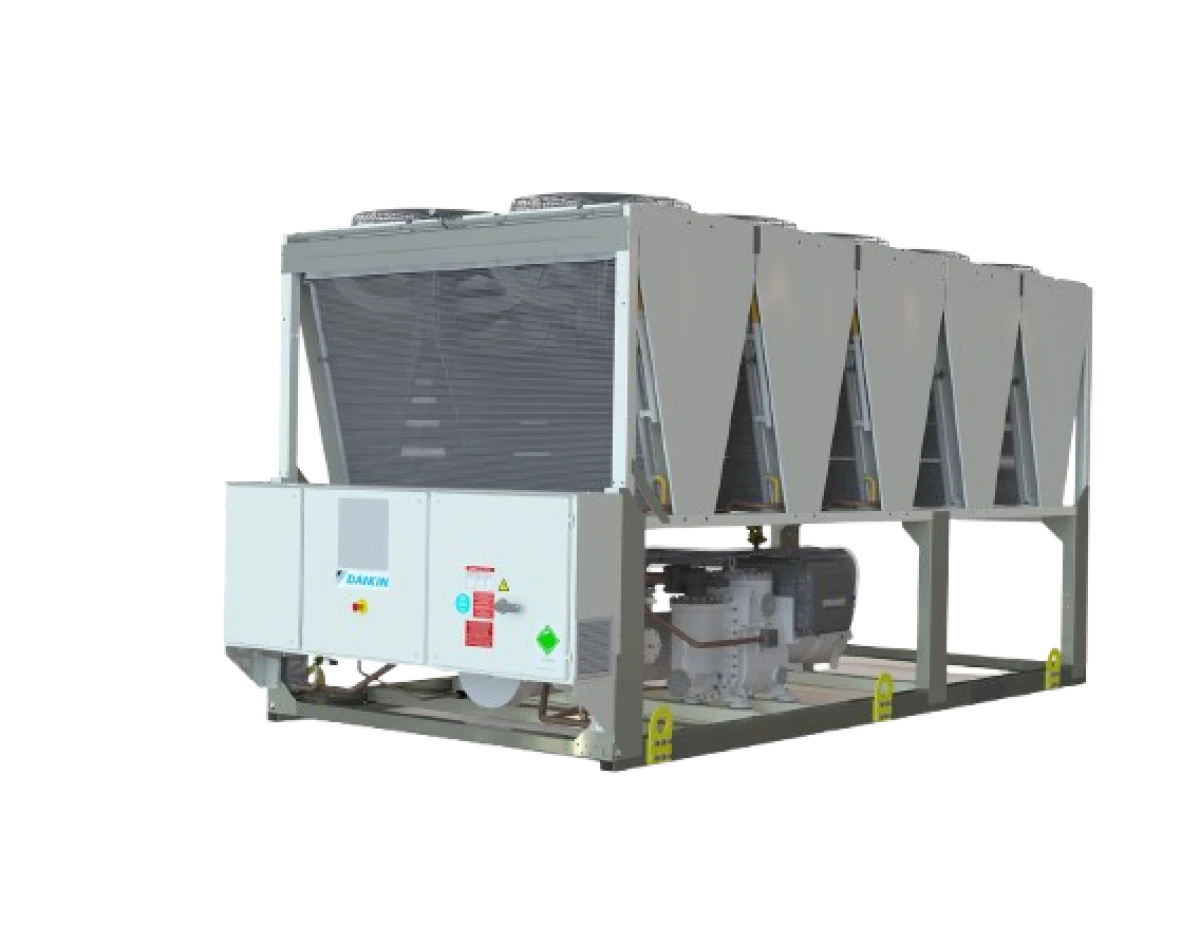
Cooling based on chilled water - an excellent choice for very large facilities such as shopping centres, hospitals and factories. The chiller produces chilled water, while fan coil units distribute it throughout the building.
Cooling systems designed for concealed installation. The indoor unit is installed above a suspended ceiling, with only the ventilation grille visible in the case of cassette systems. They are ideal for spaces where interior design is a priority, such as boutiques, restaurants and premium apartments.
Cooling an apartment or private house requires a balance between comfort, noise levels and energy costs. We select Inverter-type equipment that operates quietly and consumes less electricity compared to conventional models.
Offices, restaurants, cafés, shopping centres and fitness centres each have specific requirements for temperature and air exchange rates. We install VRF and cassette systems with centralised control.
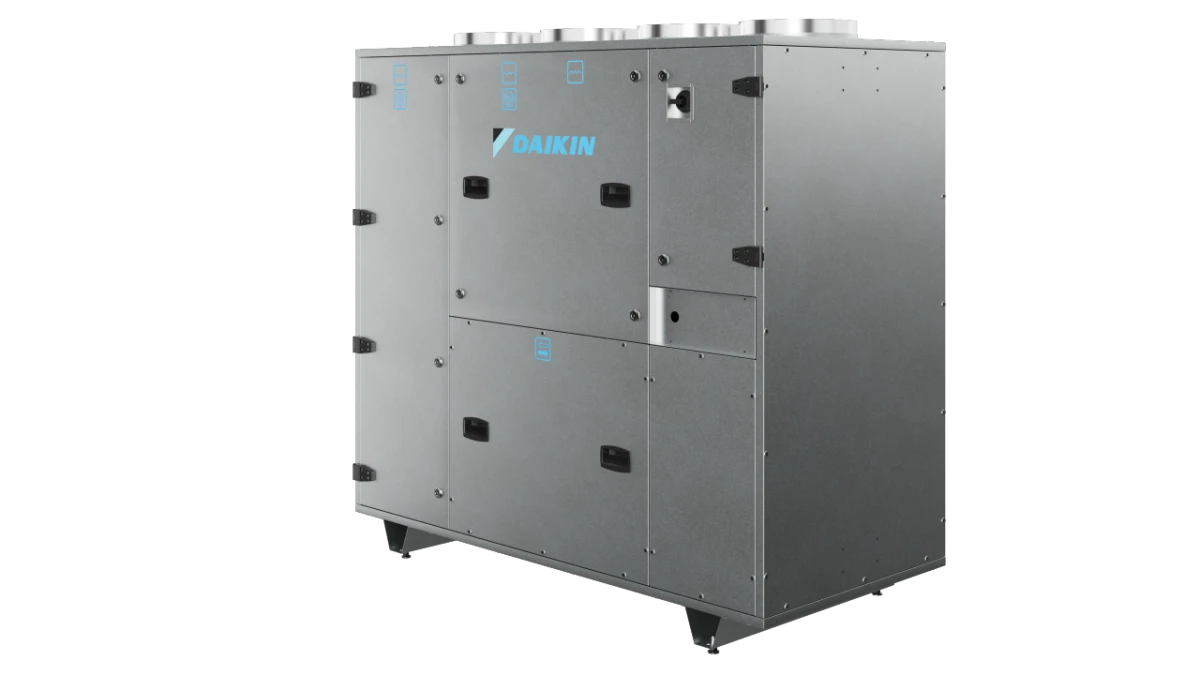
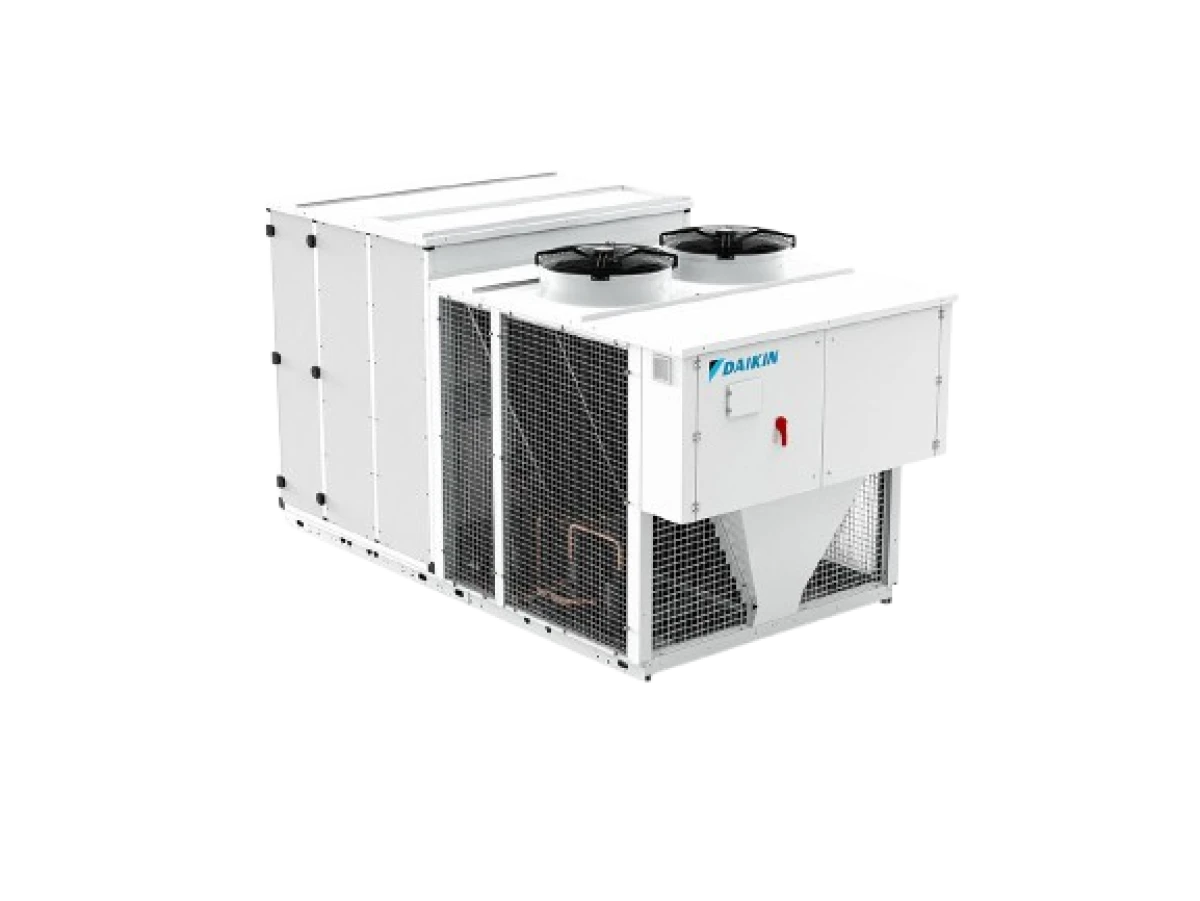
Cooling in industrial facilities is often critical both for personnel comfort and for technological processes, including in server rooms, warehouses and production facilities. We install chillers, industrial air-conditioning units and closed-loop cooling systems.
An efficient cooling system starts with a well-prepared design. Our engineers calculate:
Design work is carried out in accordance with applicable building standards and regulations (СНиП, ASHRAE). We provide clients with a complete set of technical drawings, including the general layout, axonometric diagrams, detailed connection drawings and material specifications.
Cooling systems rarely operate in isolation. In a real-world project, they must be coordinated with the building's other engineering systems:
An integrated approach ensures that all systems - heating, cooling and ventilation - operate efficiently, safely and economically in coordination with one another.
With more than 15 years of experience, we understand the specific conditions of the Georgian market, including local climate conditions, building types, available equipment and energy tariffs. We are the official representative of Daikin, the world's No. 1 HVAC brand, in Georgia. We provide installation warranties and ongoing technical maintenance.
The cost of a complete cooling system depends on the building's area, the selected technology (split, VRF or chiller) and the equipment brand. A standard split system for an apartment is a relatively affordable option, while a VRF-based cooling system for a large facility requires a significantly greater investment. The exact cost is determined after a site inspection and the necessary technical calculations.
Inverter-type systems are generally among the most energy-efficient options in operation. They adjust their operating frequency according to cooling demand and can consume 30–50% less electricity than conventional air conditioners. VRF systems are often the most efficient choice for large facilities.
Yes. Modern cooling systems can operate in Heat Pump mode, meaning the same equipment can provide cooling in summer and heating in winter. This is particularly useful in Georgia's climate.
A full preventive maintenance check is recommended at least once a year, before the start of the cooling season (April–May). Filters should be cleaned every 2–3 months. Refrigerant levels should be checked every 1–2 years.
Looking for a cooling system for your property? Contact us for a free consultation.